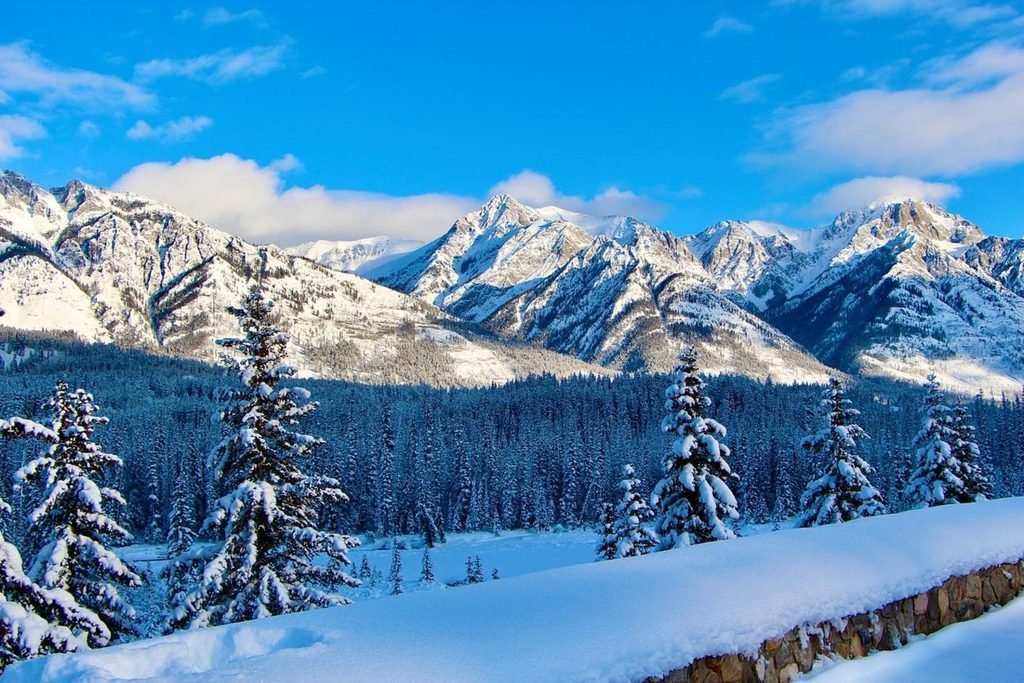
Winter is one of the four seasons in North America. It usually lasts from December to February, although winter weather can begin earlier and continue later in some regions. North America includes countries such as Canada, the United States, and Mexico. Winter conditions vary greatly because of differences in latitude, altitude, and geography.
Important Details About Winter in North America.
1. Cold Weather: Canada and the northern United States often experience extremely cold temperatures during winter. Some regions have temperatures far below 0°C.
2. Snowfall: Heavy snowfall is common in many parts of Canada and the northern United States. Mountains also receive large amounts of snow.
3. Winter Months: The winter season generally includes December, January, and February. In some northern regions, freezing weather can last for several additional months.
4. Winter Clothing: People wear thick coats, sweaters, woollen caps, gloves, scarves, and insulated boots to protect themselves from the cold.
5. Snowstorms and Blizzards: Some areas experience severe snowstorms, strong winds, and blizzards. These can cause road closures, flight delays, and power outages.
6. Winter Sports: Skiing, snowboarding, ice skating, ice hockey, and sledding are popular winter activities.
7. Christmas and New Year: Christmas is celebrated on December 25, and New Year is welcomed with parties, fireworks, decorations, and family gatherings.
8. Frozen Lakes and Rivers: In colder regions, some lakes and rivers freeze during winter. People may enjoy ice fishing and skating where the ice is confirmed to be safe.
9. Regional Differences: Canada and Alaska experience very cold winters, while southern parts of the United States generally have milder weather. Mexico has a wide range of winter climates, from cool mountain regions to warm coastal areas.
10. Wildlife: Some animals, such as bears, reduce their activity or hibernate during winter. Other animals grow thicker coats or migrate to warmer places.
11. Shorter Days: Winter days are shorter and nights are longer in much of North America. The northernmost regions experience particularly short daylight hours.
12. Effects on Daily Life: People use home heating systems, clear snow from roads and footpaths, and take extra precautions while driving on icy roads.
Winter in Different Parts of North America
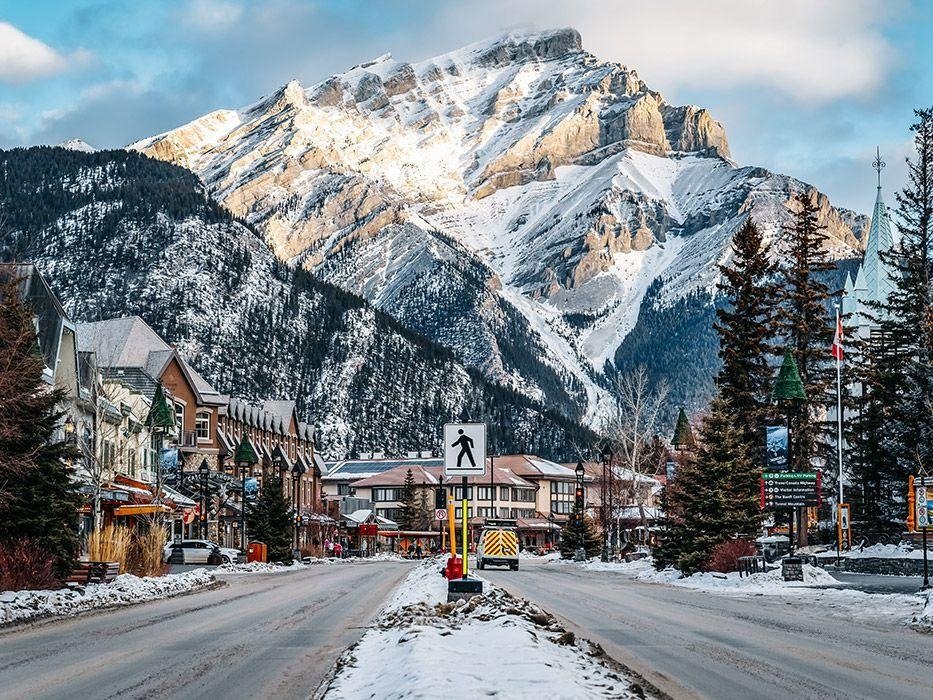
Canada.
Canada experiences cold winters, with widespread snowfall in many regions. The Rocky Mountains are popular for skiing, while cities such as Ottawa and Montreal often experience freezing temperatures.
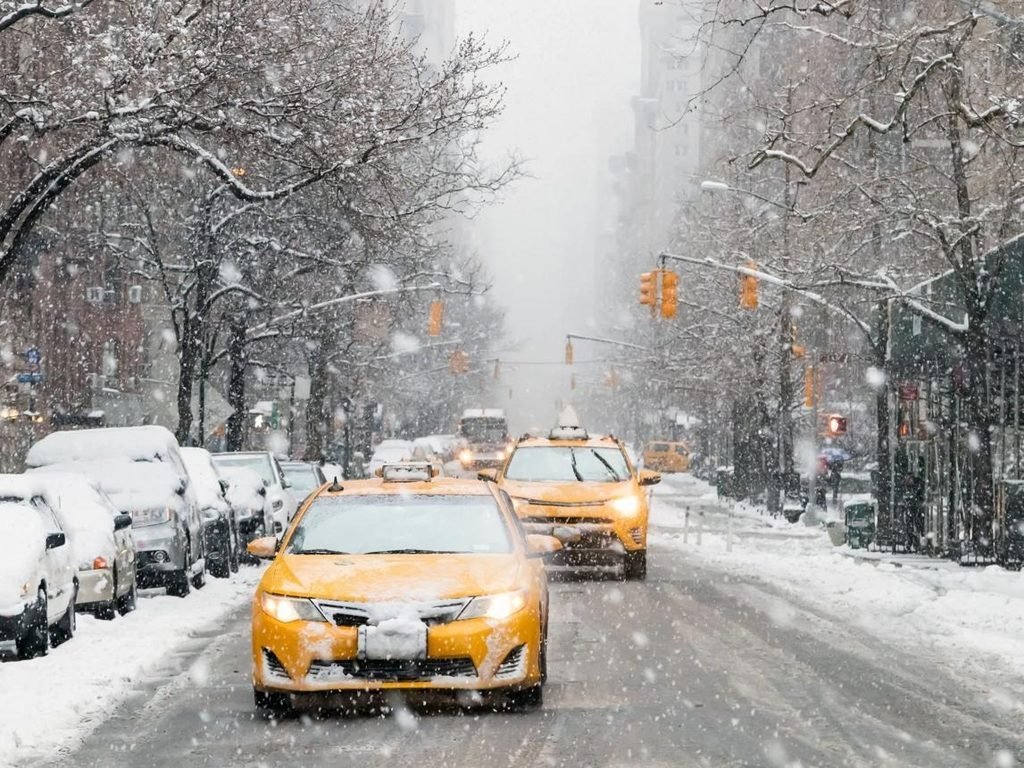
United States.
The northern states and parts of the Midwest often experience snow and freezing temperatures. However, states such as Florida and parts of California generally have milder winters.
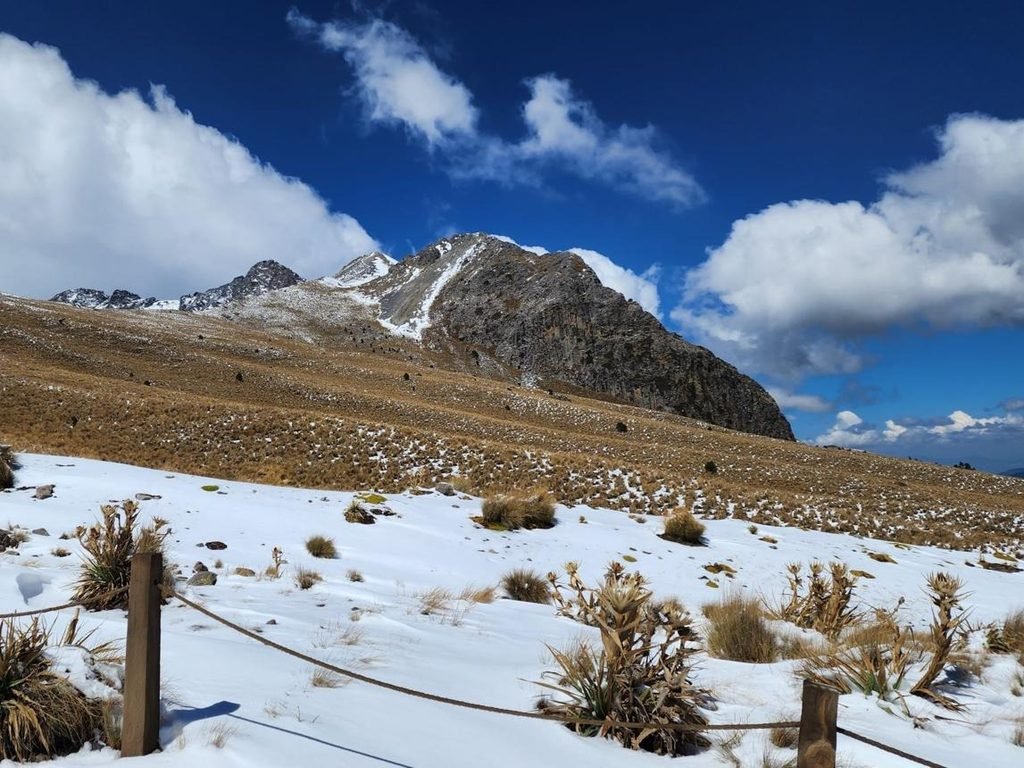
Mexico.
Much of Mexico has mild or warm winter weather, especially along the coasts. Mountainous and high-altitude areas can be considerably colder, and some places experience frost or occasional snow.
Winter in North America is a season of cold temperatures, snow, winter sports, and festive celebrations in many regions. However, the climate differs considerably across the continent. Canada and northern parts of the United States generally experience colder winters, while southern regions and much of Mexico tend to have milder conditions.