South America is a continent of extraordinary contrasts, from the snow-covered peaks of the Andes and the lush Amazon rainforest to remote islands, colorful mountain villages, mysterious deserts, and turquoise lagoons. While destinations such as Machu Picchu, Rio de Janeiro, and Patagonia attract travelers from around the world, many remarkable places remain less explored by international visitors.
These hidden travel destinations offer something special: peaceful natural landscapes, fascinating local cultures, ancient history, and unforgettable adventures far from the busiest tourist routes.
Whether you are planning a backpacking trip, a nature-focused vacation, a photography adventure, or a cultural journey, here are 15 hidden places in South America worth adding to your travel bucket list.
1. Caño Cristales, Colombia.
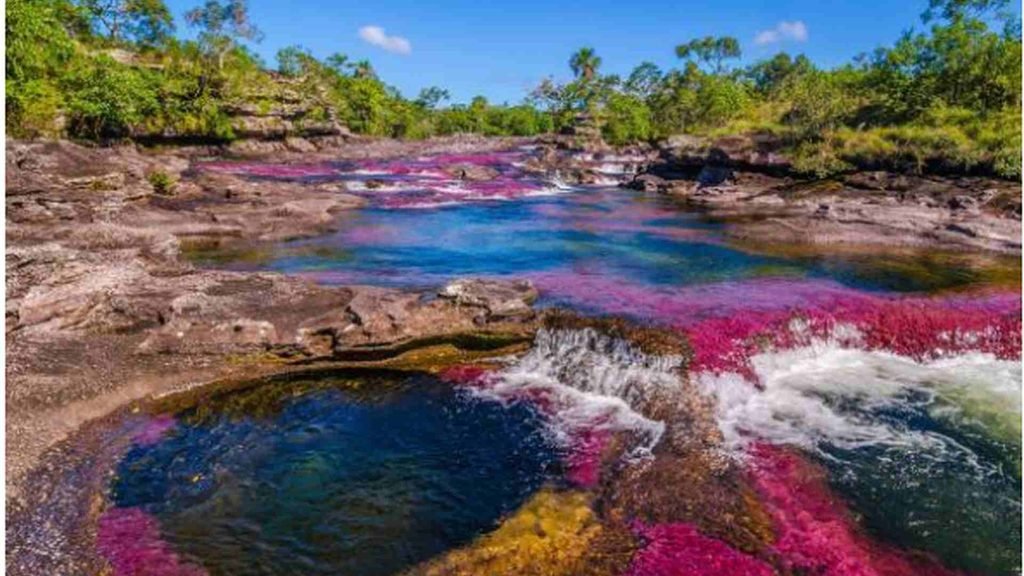
Colorful river · Nature · Photography.
Often called the River of Five Colors, Caño Cristales is a spectacular river in Colombia’s Serranía de la Macarena region. During the right seasonal conditions, aquatic plants create vivid shades of red, pink, yellow, green, and black across the riverbed, contrasting with clear water and rocky pools.
What makes it special: Natural color patterns, small waterfalls, unusual rock formations, and landscapes that look almost unreal.
Best time to visit: Generally during the seasonal period when the aquatic plants display their strongest colors, often between the middle of the year and early autumn. Exact timing varies with rainfall and local access rules.
Travel tip: Access is regulated, and authorized local guides are generally required. Arrange permits and transport through legitimate local operators.
2. Salar de Tara, Chile.
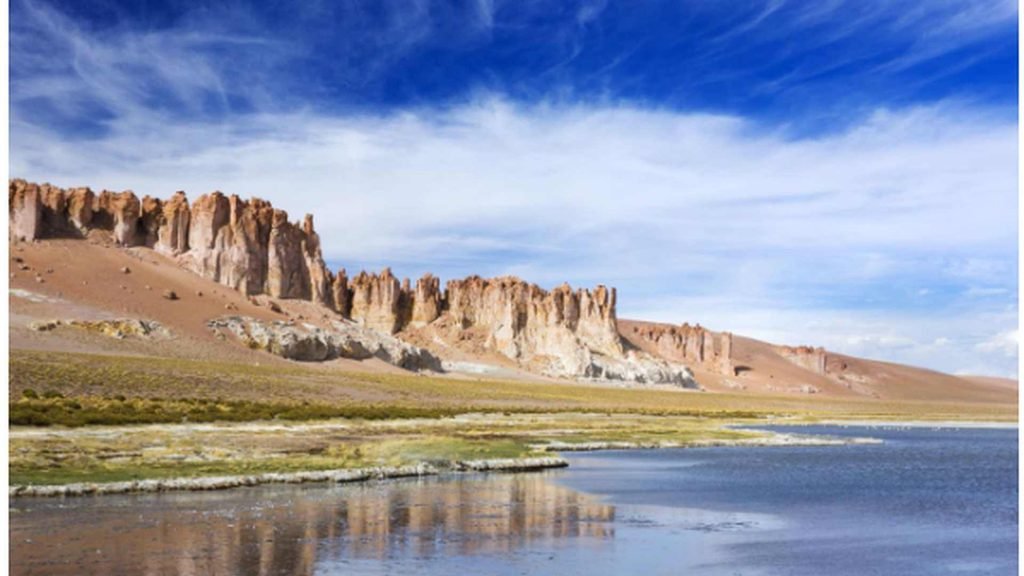
Remote desert · Rock formations · Best for Photography.
Deep in the Atacama region, Salar de Tara features dramatic volcanic formations, high-altitude salt flats, open desert, and striking Andean scenery. Its remote setting makes it an excellent destination for travelers seeking a quieter alternative to the more familiar attractions around San Pedro de Atacama.
What makes it special: Towering geological formations, vast horizons, and a sense of isolation in one of the world’s driest regions.
Best time to visit: The drier months are often easier for travel, but conditions vary at high altitude.
Travel tip: Access restrictions can change, and some areas may be closed for conservation. Use an experienced local guide, prepare for altitude, and confirm current access before departure.
3. Chapada das Mesas, Brazil.
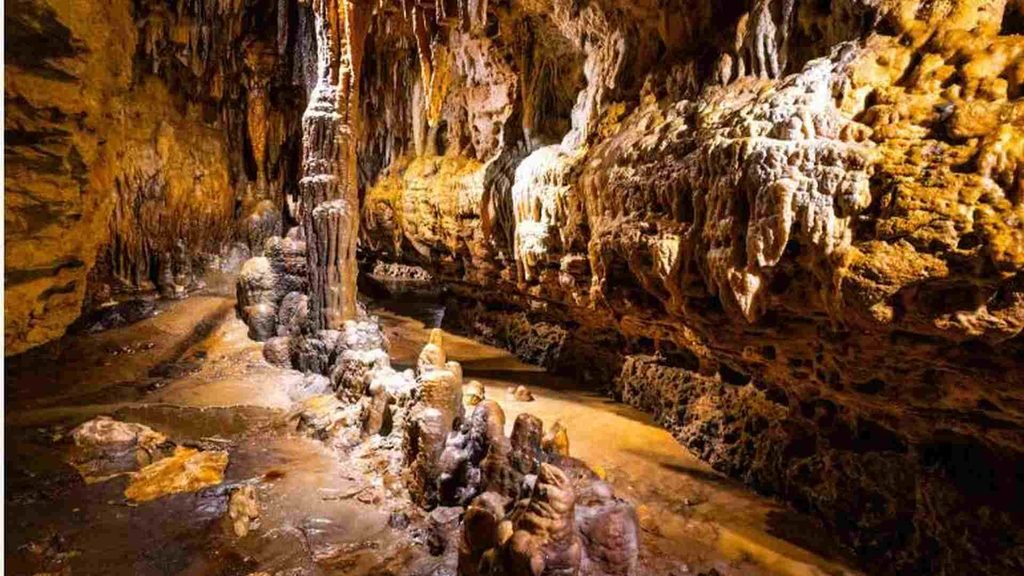
Waterfalls · Canyons · Hiking.
Located in the northeastern state of Maranhão, Chapada das Mesas National Park is known for sandstone plateaus, forested valleys, clear-water pools, and impressive waterfalls. It offers a different side of Brazil from its famous beaches and major cities.
What makes it special: Natural swimming holes, dramatic cliffs, waterfalls, and opportunities to explore the Cerrado landscape.
Best time to visit: The drier season is generally preferable for hiking and road access, though waterfall conditions vary.
Travel tip: Carolina is a useful base for exploring the region. Some attractions require local transportation, entrance fees, or guided excursions.
4. Cueva de las Manos, Argentina.

Ancient rock art · Archaeology · Remote landscapes.
Hidden within the rugged canyon country of Patagonia, Cueva de las Manos preserves extraordinary prehistoric rock art, including outlines of human hands, hunting scenes, and animal figures. The paintings offer a remarkable connection to communities that lived in the region thousands of years ago.
What makes it special: Ancient artwork, colorful canyon walls, and a powerful sense of historical continuity.
Best time to visit: Spring through early autumn in the Southern Hemisphere, depending on road and site conditions.
Travel tip: The site is remote, so plan transportation carefully and check guided-tour availability before making the journey.
5. Laguna Colorada, Bolivia.
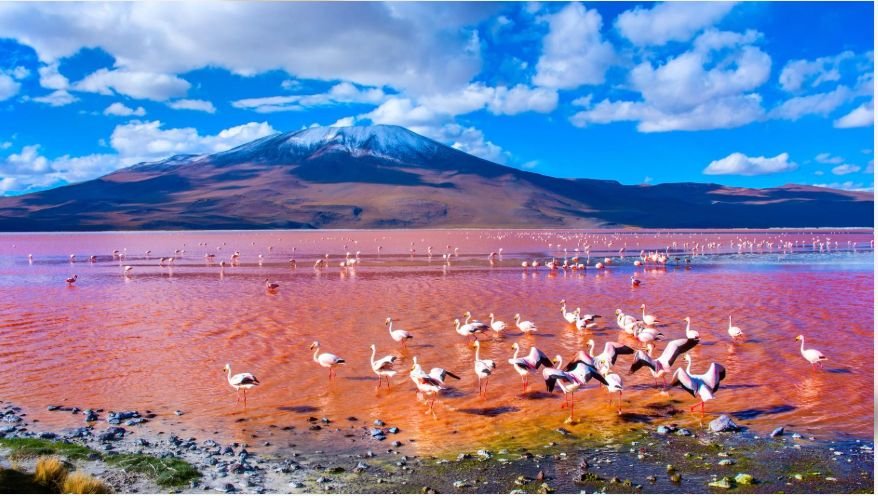
Amazing Red lagoon · Flamingos · High-altitude wilderness.
Laguna Colorada is a striking shallow lake in Bolivia’s Eduardo Avaroa Andean Fauna National Reserve. Its reddish water, pale mineral deposits, surrounding volcanoes, and flocks of flamingos create one of the most distinctive landscapes in the Andes.
What makes it special: Unusual water colors, wildlife, and vast high-altitude desert scenery.
Best time to visit: The drier months are popular for overland excursions, although weather can be extreme throughout the year.
Travel tip: Temperatures can drop sharply at night, and altitude sickness is a real concern. Acclimatize gradually and travel with a reputable operator.
6. Jericoacoara, Brazil.
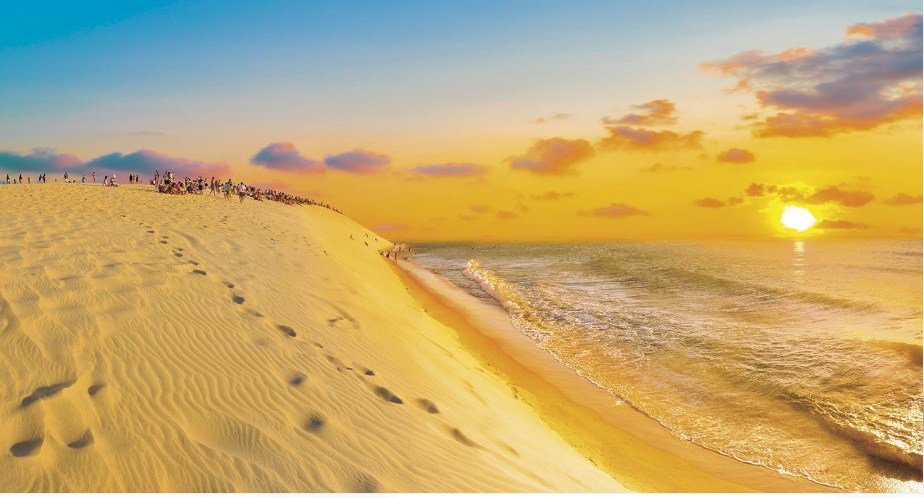
Sand dunes · Beaches · Coastal village.
Set along Brazil’s northeastern coast, Jericoacoara is a laid-back beach destination surrounded by dunes, lagoons, and wide sandy shores. Although it has become more popular, its remote setting and vehicle-restricted village center help preserve a distinctive atmosphere.
What to do: Watch the sunset over the dunes, swim in seasonal lagoons, take a guided dune excursion, and explore the village on foot.
Best time to visit: July through December is often relatively dry, though wind and lagoon conditions vary.
Travel tip: Access usually involves a transfer from a nearby town, often with a suitable 4×4 vehicle. Check the latest park and transport arrangements.
7. Los Roques Archipelago, Venezuela.
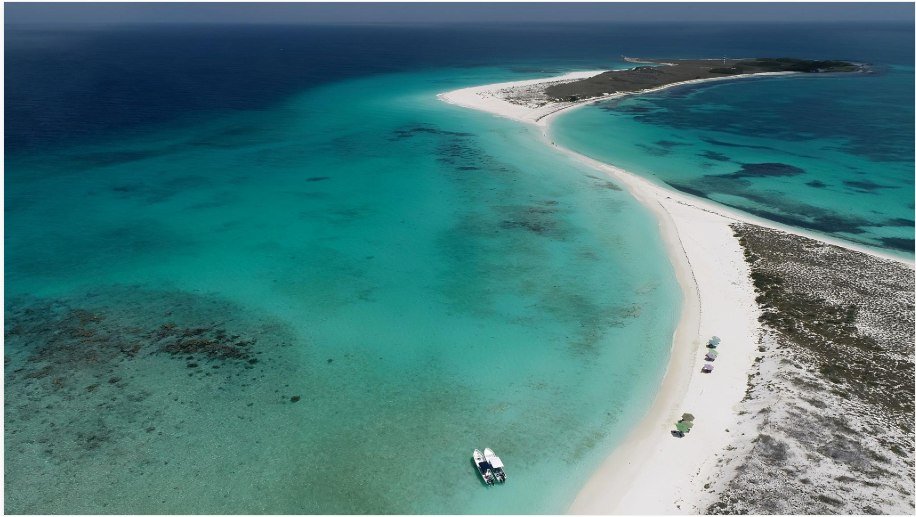
Coral islands · Clear water · Snorkeling.
Los Roques is a Caribbean archipelago of low-lying islands, white-sand beaches, coral reefs, and shallow turquoise lagoons. Its natural beauty makes it appealing to travelers interested in marine life and peaceful island scenery.
What to do: Snorkel in designated areas, take boat trips between islands, observe seabirds, and enjoy the beaches.
Best time to visit: Conditions are often favorable during the drier months, but tropical weather can change quickly.
Travel tip: Review current official travel advisories for Venezuela before planning a trip. Transport, accommodation, payments, and emergency services require careful advance planning.
8. Paraty, Brazil.
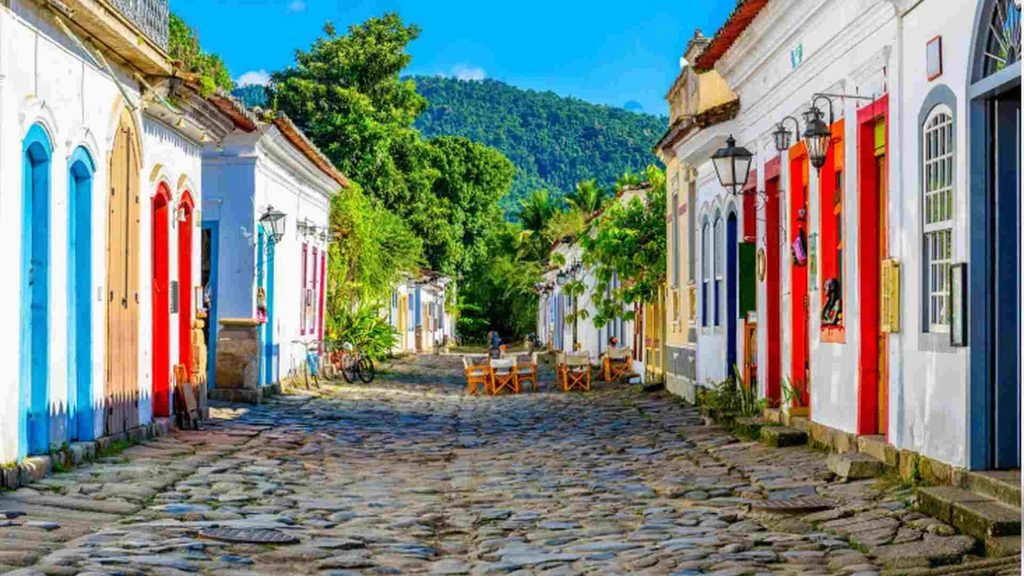
Colonial architecture · Beaches · Rainforest.
Between Rio de Janeiro and São Paulo, Paraty combines historic streets, forested mountains, small islands, and secluded coves. Its historic center is known for preserved colonial architecture, while the surrounding Costa Verde offers plenty of nature-focused excursions.
What to do: Explore the old town, take a boat trip around the bay, visit nearby waterfalls, and hike permitted rainforest trails.
Best time to visit: April through June can offer a pleasant balance of milder weather and fewer visitors, although rainfall remains possible.
Travel tip: Cobblestone streets can be uneven, so wear comfortable shoes. Reserve accommodation ahead of major Brazilian holidays and festivals.
9. Mompox, Colombia.
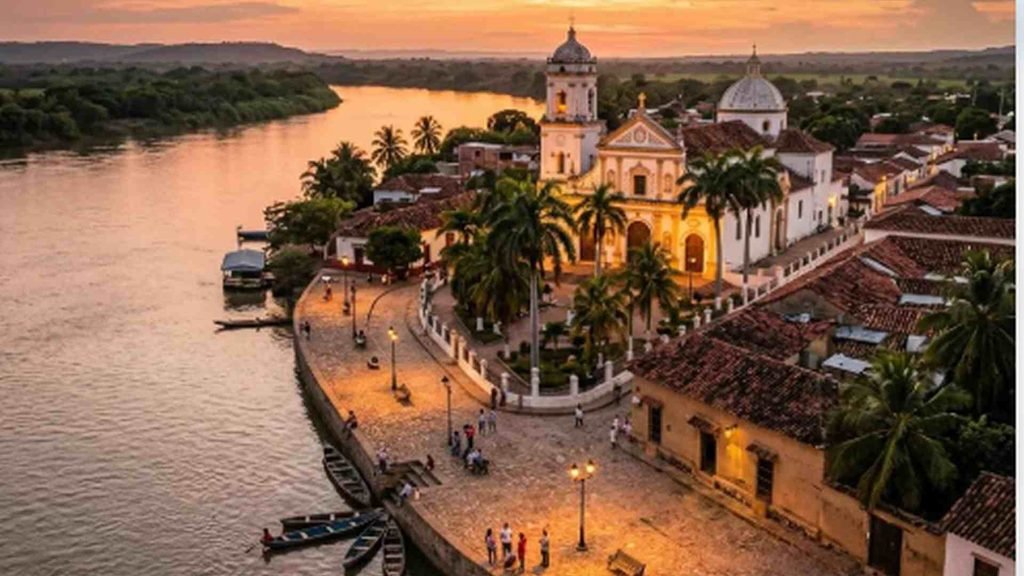
Historic town · River culture · Architecture.
Santa Cruz de Mompox is a historic riverside town on the Magdalena River, known for its colonial streets, whitewashed churches, traditional metalwork, and slow pace of life. It offers a cultural experience very different from Colombia’s major cities.
What to do: Walk through the historic center, discover local craft workshops, sample regional dishes, and take a guided river excursion when available.
Best time to visit: Generally during drier periods, while recognizing that river levels and tropical weather can vary.
Travel tip: Travel can take time because of the town’s location. Check current road conditions and transport schedules before setting out.
10. Choquequirao, Peru.
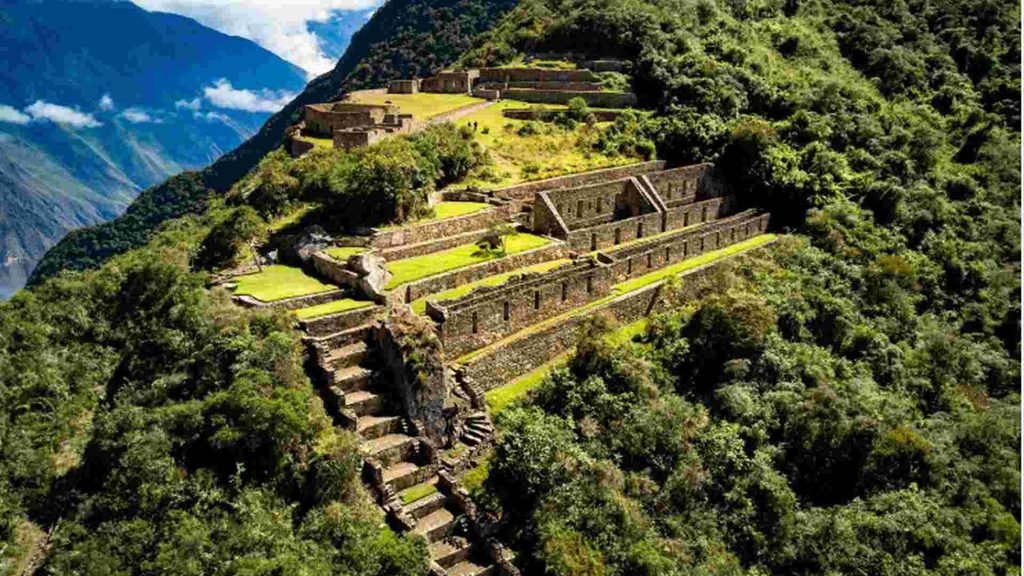
Inca ruins · Multi-day trekking · Mountains.
Often described as a less-visited counterpart to Machu Picchu, Choquequirao is a substantial archaeological complex set high in the Andes. Its terraces, ceremonial areas, and stone structures overlook deep valleys and rugged mountain slopes.
What makes it special: Ancient Inca architecture, spectacular mountain scenery, and a challenging journey through remote terrain.
Best time to visit: The drier months, usually May through September, are generally preferred for trekking.
Travel tip: Reaching the site traditionally requires a demanding multi-day hike. Hire experienced guides, carry adequate supplies, and verify current trail conditions and access arrangements.
11. Barichara, Colombia.
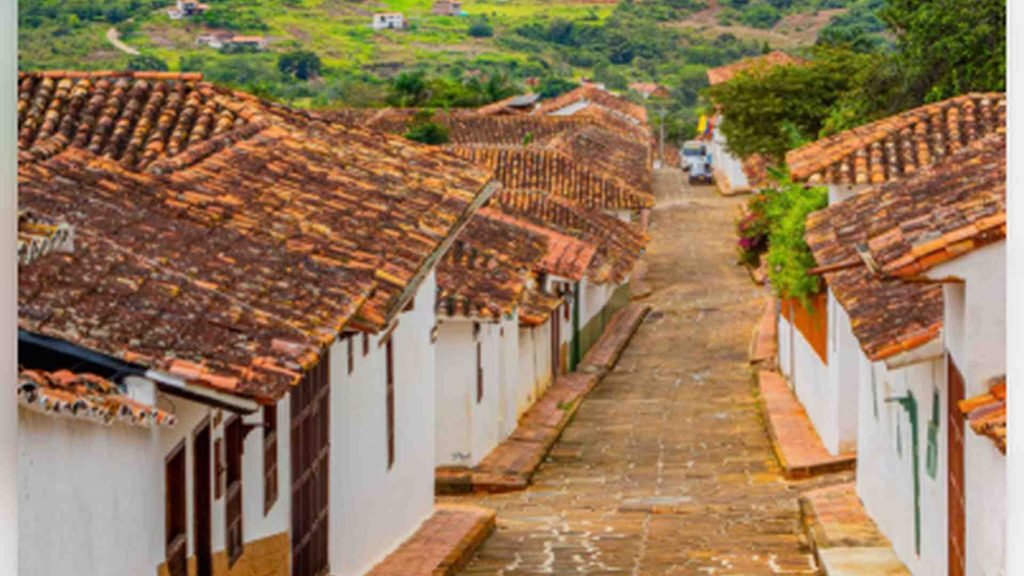
Mountain village · Heritage · Scenic walks.
Barichara is a beautifully preserved town in Colombia’s Santander region, with pale stone streets, terracotta rooftops, historic churches, and sweeping views over the surrounding countryside.
What to do: Wander through the historic center, visit artisan workshops, enjoy regional food, and walk the Camino Real toward the nearby village of Guane.
Best time to visit: Drier periods are generally best for walking and countryside excursions.
Travel tip: Wear comfortable shoes for the stone streets and rural trails. Allow at least one or two nights to enjoy the town without rushing.
12. El Chaltén, Argentina.
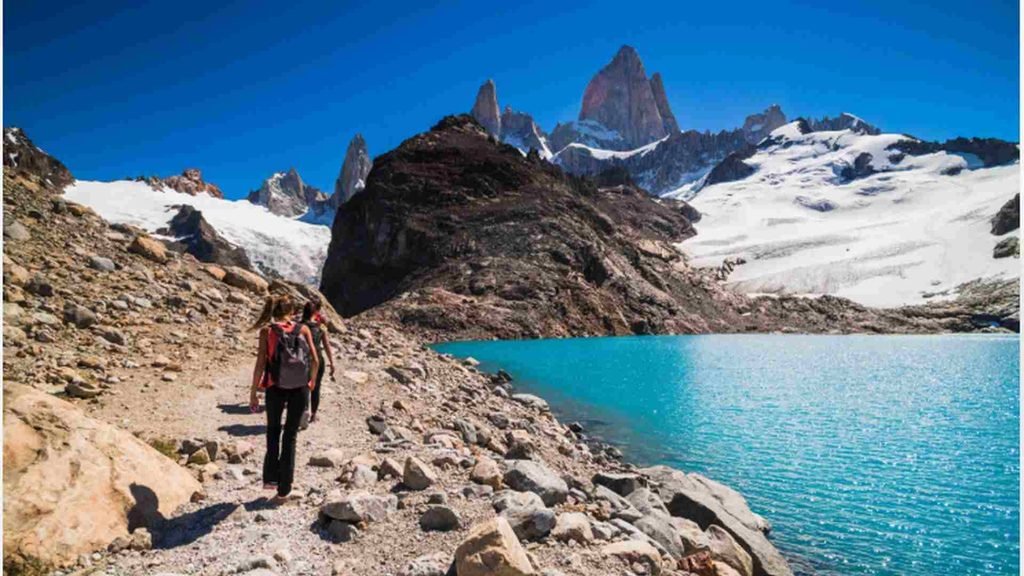
Mountain hiking · Glaciers · Patagonia.
El Chaltén is a small mountain village beneath the dramatic peaks of Los Glaciares National Park. It is known for trekking routes, glacial lakes, forests, and panoramic views of Mount Fitz Roy. It is no longer an unknown destination, but it remains an excellent choice for travelers who prefer outdoor adventure to big-city tourism.
What to do: Hike to Laguna de los Tres, explore shorter valley trails, photograph mountain reflections, and enjoy the village’s relaxed outdoor culture.
Best time to visit: October through April, the Southern Hemisphere’s warmer hiking season.
Travel tip: Patagonia’s weather can change quickly. Check trail reports, carry waterproof layers, and never underestimate wind or daylight limitations.
13. Kaieteur Falls, Guyana.
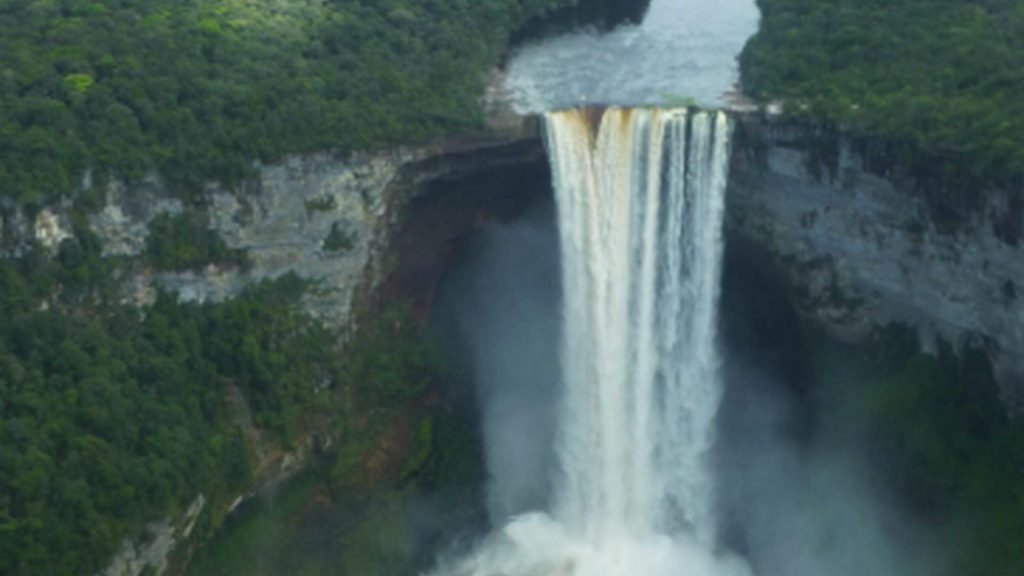
Powerful waterfall · Rainforest · Wildlife.
Hidden within Guyana’s vast rainforest, Kaieteur Falls is one of the world’s most impressive single-drop waterfalls by combined height and water volume. The Potaro River plunges over a sandstone cliff into a remote forested gorge, creating a spectacular natural display.
What makes it special: A dramatic waterfall surrounded by largely intact rainforest, with opportunities to appreciate the region’s distinctive wildlife.
Best time to visit: The falls can be visited throughout much of the year, but river volume and flight conditions vary by season.
Travel tip: Many visitors arrive on organized flights or guided excursions from Georgetown. Confirm weather-dependent schedules and permitted access before booking.
14. Cocora Valley, Colombia.
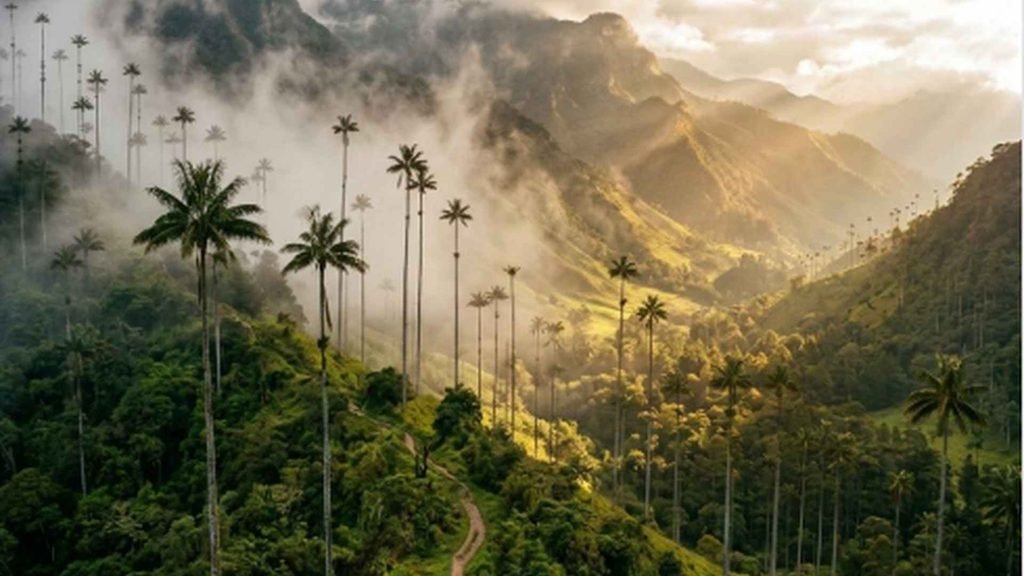
Cloud forest · Giant palm trees · Hiking.
In Colombia’s coffee region, Cocora Valley is famous for its towering wax palms, green mountain slopes, and misty cloud forests. These palms are Colombia’s national tree and create a landscape unlike almost anywhere else in South America.
What to do: Hike designated valley trails, photograph the palm groves, visit nearby Salento, and learn about the region’s coffee-growing traditions.
Best time to visit: Drier periods can make hiking easier, although rain and mist are possible throughout the year.
Travel tip: Bring waterproof clothing and sturdy shoes. Check trail conditions locally, as some routes can become muddy and slippery.
15. Lençóis Maranhenses National Park, Brazil.
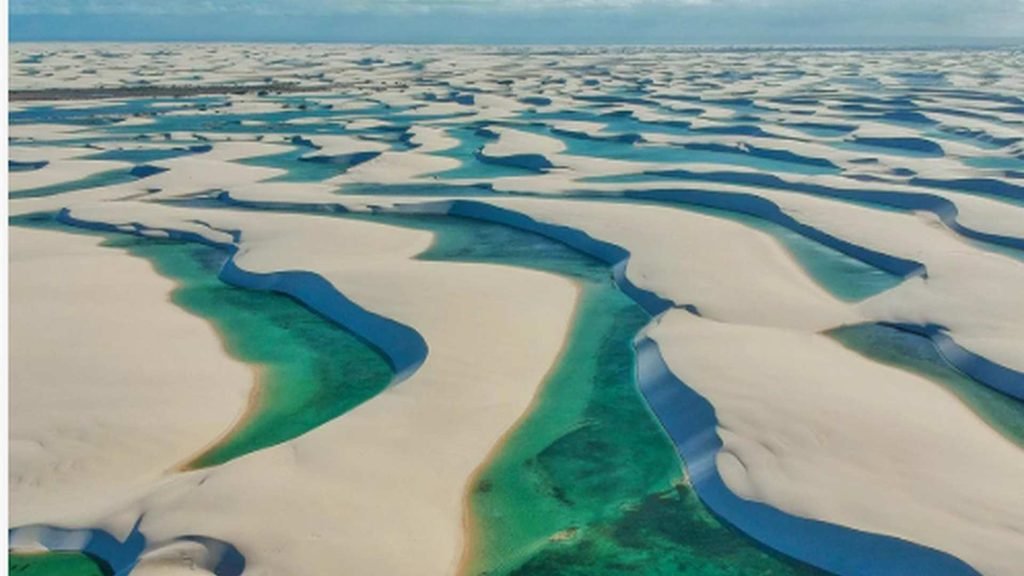
White sand dunes · Seasonal lagoons · Desert-like scenery.
Located on Brazil’s northeastern coast, Lençóis Maranhenses features enormous white sand dunes interrupted by rainwater lagoons. Despite its desert-like appearance, the region receives seasonal rainfall that fills many of the pools between the dunes.
What makes it special: Contrasting white sand and blue-green lagoons, unusual coastal ecosystems, and spectacular aerial views.
Best time to visit: Often June through September for lagoon viewing, though water levels vary each year.
Travel tip: Barreirinhas and Santo Amaro are common bases for guided excursions. Access to the park interior is regulated, and suitable 4×4 transport is generally necessary.
Quick guide – best hidden destinations.
| Destination | Country | Best for | Suggested stay |
|---|---|---|---|
| Caño Cristales | Colombia | Colorful rivers and nature | 3–4 days |
| Salar de Tara | Chile | Remote desert landscapes | 1 day |
| Chapada das Mesas | Brazil | Waterfalls and hiking | 3–4 days |
| Cueva de las Manos | Argentina | Ancient rock art | 1–2 days |
| Laguna Colorada | Bolivia | Flamingos and high-altitude scenery | 1–2 days |
| Jericoacoara | Brazil | Beaches and sand dunes | 3–4 days |
| Los Roques | Venezuela | Island scenery and snorkeling | 3–5 days |
| Paraty | Brazil | History and coastal nature | 2–3 days |
| Mompox | Colombia | Colonial heritage | 2–3 days |
| Choquequirao | Peru | Remote Inca ruins | 4–6 days |
| Barichara | Colombia | Traditional village life | 2 days |
| El Chaltén | Argentina | Mountain trekking | 3–5 days |
| Kaieteur Falls | Guyana | Rainforest and waterfalls | 1–2 days |
| Cocora Valley | Colombia | Giant palms and hiking | 1–2 days |
| Lençóis Maranhenses | Brazil | Sand dunes and lagoons | 3–4 days |
Suggested stays are approximate planning guides and exclude some long-distance travel. Remote sites may require additional transit days.
Essential travel tips – South America.
Plan around the seasons…
South America spans tropical rainforest, high-altitude mountains, temperate forests, and deserts. The best travel months vary considerably by region, and the Southern Hemisphere’s seasons are opposite those of the United States and Europe.
Prepare for altitude and remote conditions.
Destinations in the Andes may sit at elevations where altitude sickness is possible. Acclimatize gradually, stay hydrated, and consult a healthcare professional before high-altitude travel if needed.
Allow extra time for transportation.
Rural roads, river crossings, domestic flights, and seasonal weather can complicate travel. Avoid scheduling tight connections after remote excursions.
Check safety and entry requirements.
Review your government’s latest travel advisories, visa requirements, health recommendations, and local transportation guidance. Conditions can differ substantially between countries and regions.
Respect local cultures and protected places.
Hire local guides where appropriate, follow conservation rules, avoid disturbing wildlife, and respect Indigenous communities and archaeological sites.
Budget for excursions, not just hotels.
Guided hikes, boat transfers, park fees, domestic flights, and specialized vehicles can make up a significant part of the cost of visiting remote destinations.
Discover another side of South America.
South America’s hidden travel destinations reveal a continent that is far more diverse than its most famous landmarks. From the vivid waters of Caño Cristales and the extraordinary dunes of Lençóis Maranhenses to the ancient ruins of Choquequirao and the remote grandeur of Kaieteur Falls, each destination offers a different way to experience the region.
Some places reward adventurous travelers with challenging treks and remote wilderness. Others invite visitors to slow down in traditional villages, discover local food, and connect with the area’s cultural heritage.
The best way to explore these destinations is to travel thoughtfully, choose the right season, support local communities, and leave enough time to appreciate the journey itself.
For anyone looking beyond the usual tourist trail, South America offers some of the world’s most memorable adventures—often in places that deserve far more attention than they receive.