North America is a continent of extraordinary natural beauty, rich cultures, ancient history, and remarkable landscapes. Beyond famous destinations such as the Grand Canyon, Niagara Falls, and New York City, there are countless lesser-known places waiting to be explored. From remote turquoise lakes and mysterious caves to quiet coastal villages, desert oases, and ancient ruins, these hidden destinations offer travelers a chance to experience a different side of the continent.
Whether you enjoy adventure, photography, nature, history, or peaceful escapes, the hidden places of North America offer unforgettable travel experiences.
1. Hidden natural wonders of North America
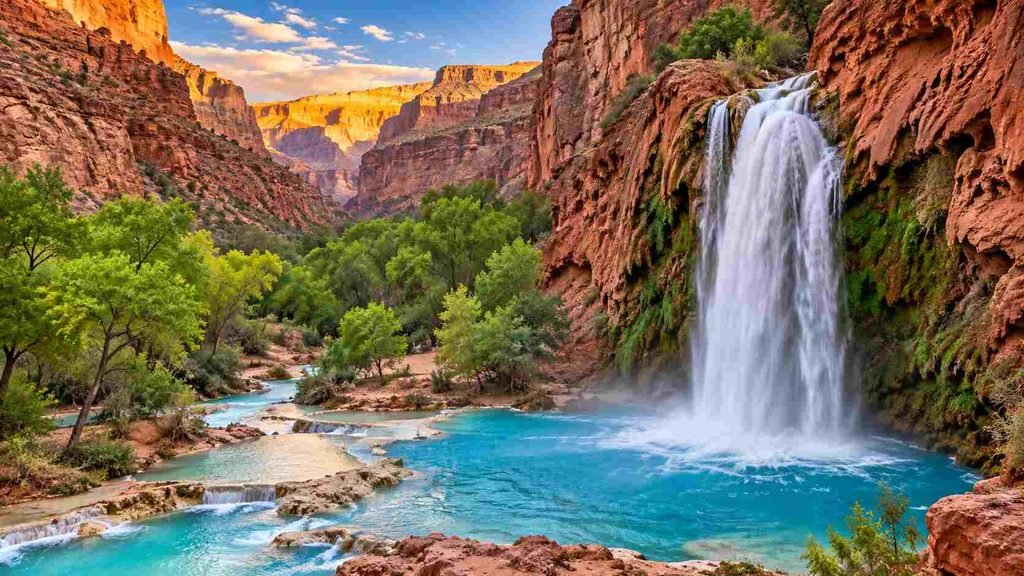
1. Havasu Falls, Arizona, USA
Waterfalls · Desert adventure
Located within the Havasupai Reservation in a remote section of the Grand Canyon, Havasu Falls is famous for its brilliant blue-green water flowing over red sandstone cliffs. The contrast between the desert landscape and the tropical-looking pools makes it one of the most striking places in the American Southwest.
What makes it special: Cascading waterfalls, natural swimming areas when conditions permit, and dramatic canyon scenery.
Best time to visit: Spring and autumn, depending on conditions and permit availability.
Travel tip: Access requires advance authorization and a substantial hike. Check official tribal tourism information before planning a visit.
2. Valley of the Gods, Utah, USA
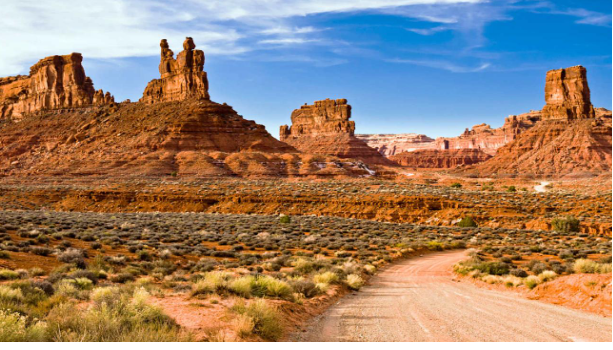
Red-rock formations · Scenic drives
Often overshadowed by Monument Valley, this remote desert landscape features towering sandstone buttes, wide-open horizons, and winding dirt roads. It feels wonderfully isolated, especially at sunrise and sunset.
What makes it special: Monumental rock formations, star-filled skies, and excellent landscape photography.
Best time to visit: Spring and autumn, when temperatures are generally more comfortable.
Travel tip: Road conditions can change quickly after rain. Check forecasts and road conditions, and respect the area’s Indigenous cultural significance.
3. Great Sand Dunes, Colorado, USA
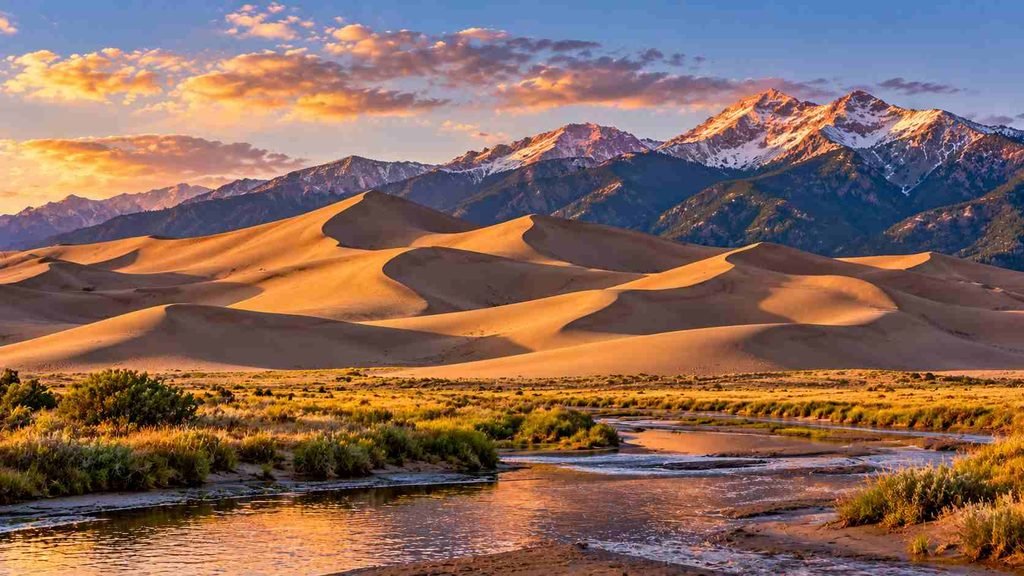
Unusual landscapes · Hiking
Surrounded by mountain peaks, the Great Sand Dunes form an unexpected desert-like environment in the Rocky Mountain region. The enormous dunes change shape with the wind, creating a landscape that looks almost otherworldly.
What makes it special: Sandboarding, dune hiking, mountain views, and extraordinary night skies.
Best time to visit: Late spring and early autumn; summer afternoons can be very hot.
Travel tip: Sand temperatures can become dangerously hot in summer. Bring plenty of water and suitable footwear.
4. Cumberland Island, Georgia, USA.
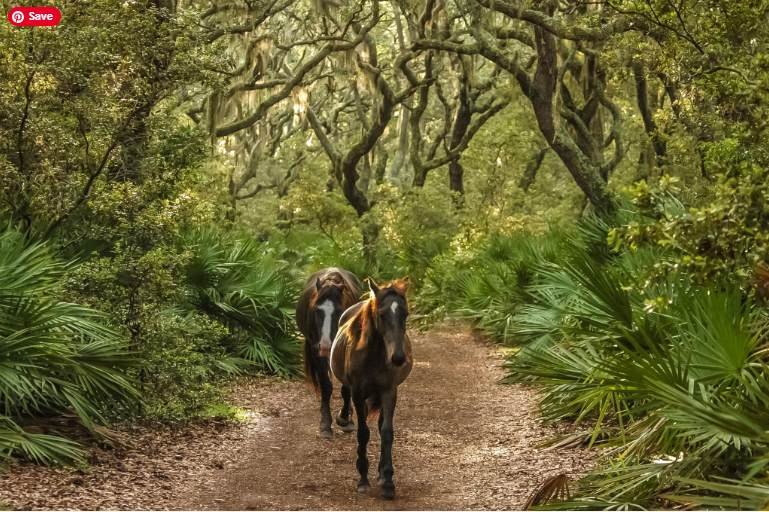
Wildlife · Untouched beaches
This barrier island along the Atlantic coast offers maritime forests, long stretches of quiet beach, historic ruins, and free-roaming horses. With limited visitor access and few developed facilities, the island feels far removed from busy beach resorts.
What makes it special: Wildlife watching, peaceful coastal walks, and historic sites surrounded by nature.
Best time to visit: Autumn and spring.
Travel tip: Reach the island by ferry from St. Marys, Georgia. Reservations are recommended, and visitors should prepare for limited services.
5. Tofino, British Columbia, Canada.
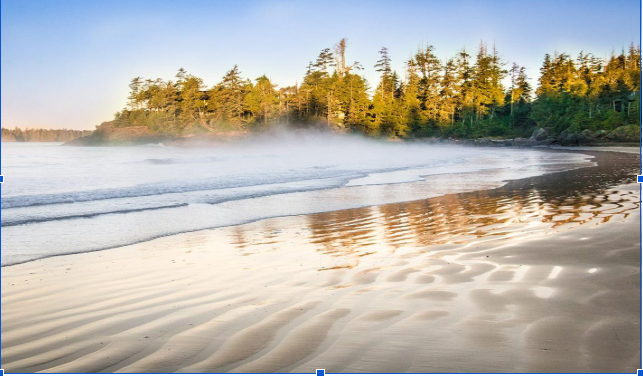
Rainforests · Surfing · Ocean views
Located on Vancouver Island’s Pacific coast, Tofino combines wild beaches, dense temperate rainforest, and rugged ocean scenery. Although increasingly popular, it still offers a peaceful wilderness experience outside the busiest periods.
Things to do: Explore Long Beach, walk rainforest trails, watch storms from safe viewpoints, and try surfing with a local instructor.
Best time to visit: June to September for generally milder weather; autumn and winter for dramatic storm watching.
Travel tip: Reserve accommodation early during summer and respect local Indigenous communities and protected natural areas.
6. Fogo Island, Newfoundland and Labrador, Canada.
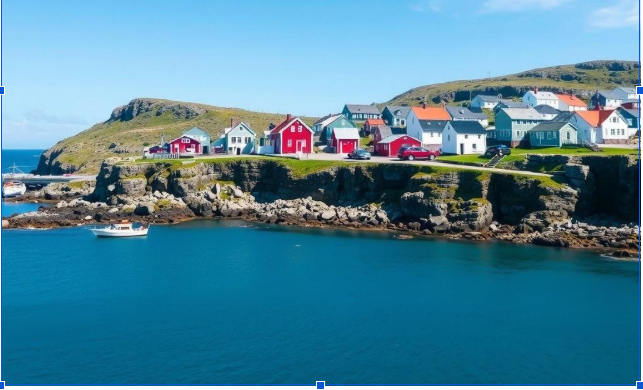
Remote island · Culture · Coastal scenery
Fogo Island is known for colorful fishing communities, rugged cliffs, traditional maritime culture, and wide Atlantic horizons. It is an excellent destination for travelers interested in local heritage and slow travel rather than crowded attractions.
Things to do: Visit small communities, explore coastal walking trails, photograph fishing stages, and learn about the island’s fishing heritage.
Best time to visit: June to September, when travel conditions are generally more favorable.
Travel tip: Fog and wind can change conditions rapidly. Check ferry schedules and allow flexibility in your itinerary.
7. Bacalar, Quintana Roo, Mexico.
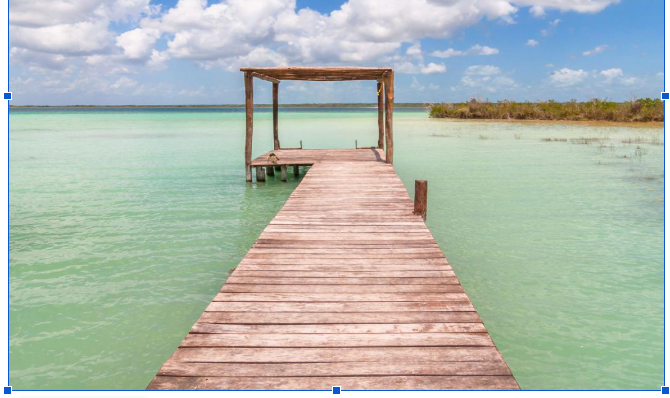
Freshwater lagoon · Kayaking · Relaxation
Near Mexico’s Caribbean coast, Bacalar is famous for its Lagoon of Seven Colors, whose shades of blue and turquoise change with water depth and sunlight. Compared with some of the region’s major resort areas, it can offer a slower-paced alternative.
Things to do: Kayak across the lagoon, visit designated swimming areas, explore the historic fort, and enjoy the small town’s cafés.
Best time to visit: Generally November to April for a drier travel season.
Travel tip: Choose reef- and lagoon-conscious activities. Avoid sunscreen or other products that may contaminate sensitive waters, following local guidance.
8. Todos Santos, Baja California Sur, Mexico.
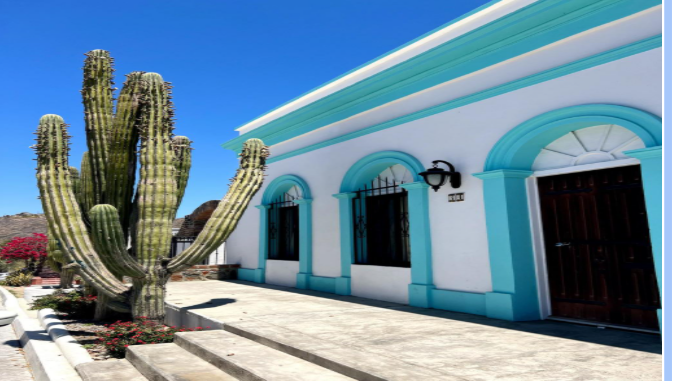
Artistic town · Desert · Pacific coast
This small town between the desert and the Pacific Ocean is known for galleries, historic architecture, cafés, and a creative atmosphere. It offers a different perspective on Baja California beyond its larger beach resorts.
Things to do: Browse local art, enjoy regional cuisine, visit nearby beaches, and explore the desert landscapes.
Best time to visit: November to April for comparatively comfortable temperatures.
Travel tip: Pacific currents can be powerful. Swim only where conditions are considered safe, and follow local beach warnings.
9. Cave of the Mounds, Wisconsin, USA.
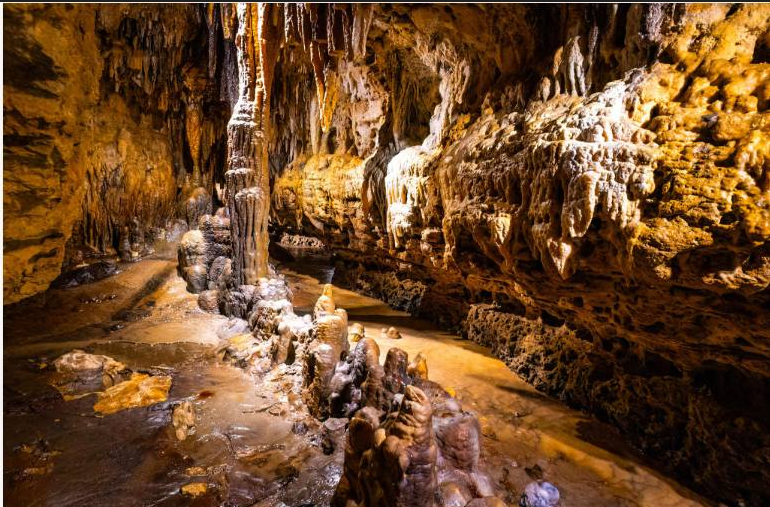
Underground caves · Geology
Beneath the rolling countryside near Blue Mounds lies a limestone cave filled with stalactites, stalagmites, and delicate mineral formations. It is a fascinating destination for anyone interested in geology and the hidden landscapes beneath the Earth’s surface.
Things to do: Take a guided cave tour, learn about cave formation, and explore the surrounding gardens and countryside.
Best time to visit: A useful year-round option, although tour schedules should be checked in advance.
Travel tip: Follow designated routes and never touch delicate cave formations.
10. The Lost Sea, Tennessee, USA.
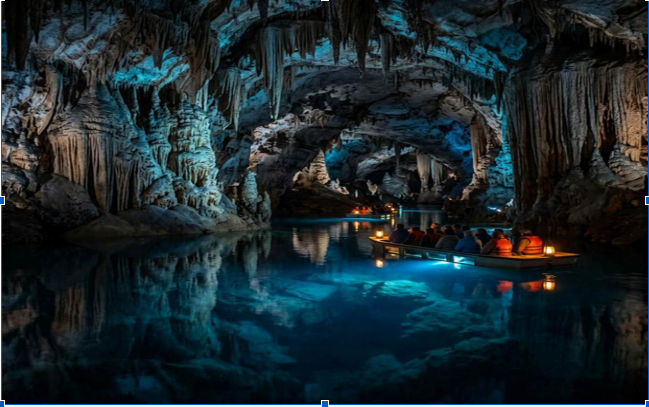
Underground lake · Cave exploration
The Lost Sea is a large underground lake within Craighead Caverns near Sweetwater, Tennessee. Visitors can take guided tours through the cave and, when offered, ride a boat across the subterranean lake.
Things to do: Explore the cave, learn about its geology, and experience the unusual setting of an underground lake.
Best time to visit: Throughout the year, subject to tour availability.
Travel tip: The cave environment is cool and damp, so comfortable walking shoes and a light layer are useful.
11. Waterton Lakes National Park, Alberta, Canada.
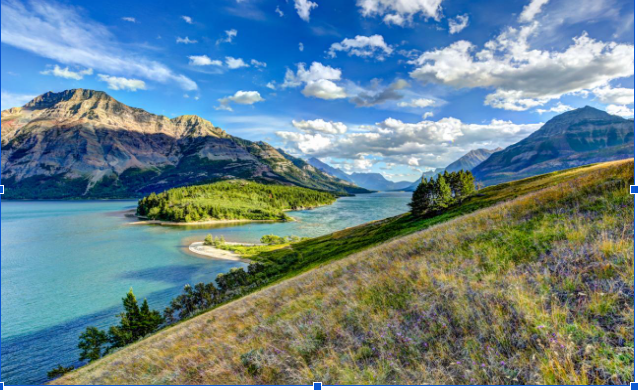
Alpine lakes · Hiking · Wildlife
Tucked into the Canadian Rockies near the United States border, Waterton combines steep mountains, colorful lakes, open grasslands, and abundant wildlife. It is often a quieter alternative to some of Canada’s more heavily visited mountain destinations, though summer can still be busy.
Things to do: Hike mountain trails, take a scenic boat cruise when operating, photograph Cameron Falls, and explore the lakeside village.
Best time to visit: Summer and early autumn, depending on trail conditions.
Travel tip: Weather can change suddenly in the mountains. Check trail reports, carry bear-safety equipment where recommended, and maintain a safe distance from wildlife.
12. El Pinacate and Gran Desierto de Altar, Sonora, Mexico.
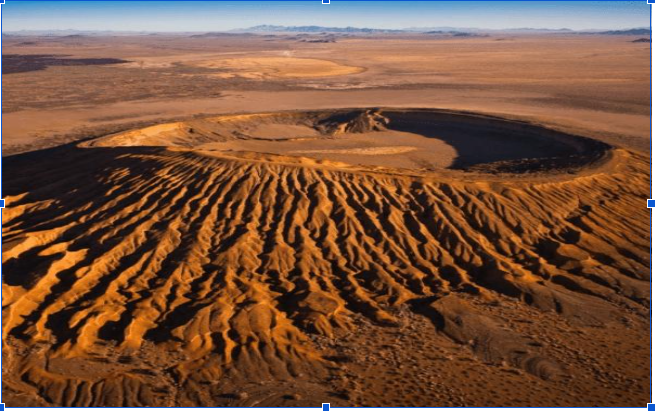
Volcanic craters · Sand dunes · Remote wilderness
This extraordinary UNESCO-listed region contains volcanic cones, enormous craters, black lava fields, and sweeping sand dunes. The landscape looks almost extraterrestrial and reveals a little-known geological side of northern Mexico.
Things to do: Visit permitted viewpoints, learn about volcanic geology, and photograph the striking desert terrain.
Best time to visit: Cooler months, generally November to March.
Travel tip: This is a harsh desert environment. Plan carefully, check access restrictions, carry ample water, and avoid entering remote areas without appropriate preparation.
13. Mesa Verde National Park, Colorado, USA.
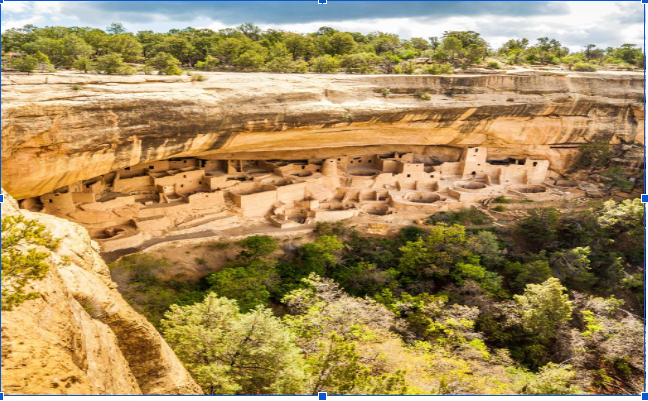
Ancient architecture · Archaeology
Mesa Verde preserves remarkable dwellings built by Ancestral Pueblo people beneath sandstone cliffs. These settlements provide insight into centuries of Indigenous history, architecture, agriculture, and community life.
What to explore: Cliff Palace, archaeological viewpoints, museum exhibits, and designated hiking routes.
Best time to visit: Late spring through early autumn for many visitor services and tours.
Travel tip: Some cliff dwellings require advance reservations for ranger-led tours. Respect archaeological sites and Indigenous cultural heritage.
14. Chaco Culture National Historical Park, New Mexico, USA.
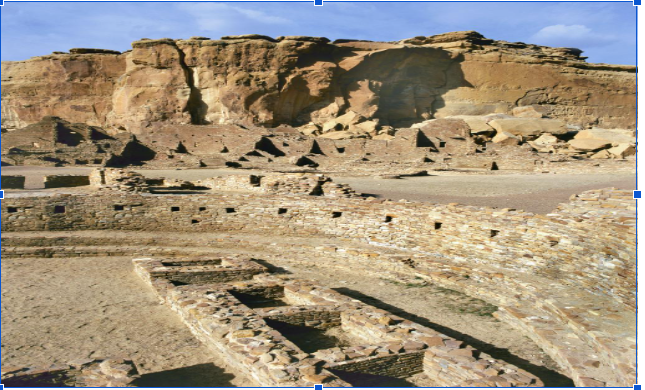
Ancient ruins · Desert history
Chaco Canyon was an important cultural and ceremonial center for ancestral Pueblo communities. Its monumental buildings and carefully planned structures reveal sophisticated knowledge of architecture, astronomy, and regional trade.
What to explore: Pueblo Bonito, archaeological trails, and the expansive desert landscape.
Best time to visit: Spring and autumn, when daytime temperatures are generally more comfortable.
Travel tip: Access roads can be rough, and services are limited. Check road conditions before setting out and plan to bring food and water.
15. Tikal National Park, Guatemala.
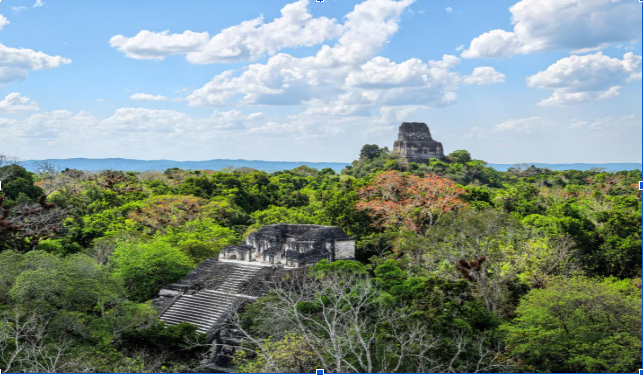
Maya civilization · Tropical rainforest
Hidden within the forests of northern Guatemala, Tikal contains monumental Maya temples, plazas, and ancient residential complexes. The surrounding rainforest is home to howler monkeys, colorful birds, and other wildlife.
What makes it special: Ancient architecture emerging above the forest canopy and the chance to experience a major archaeological site in a natural setting.
Best time to visit: Generally November to April, during the drier season.
Travel tip: Hire an authorized guide if you want deeper historical context, and check local transport and site conditions before traveling.
Quick guide to choosing your destination
| Destination | Country | Best for | Suggested trip length |
| Havasu Falls | USA | Waterfalls and hiking | 3–5 days |
| Valley of the Gods | USA | Desert scenery and photography | 1–2 days |
| Cumberland Island | USA | Wildlife and quiet beaches | 1–2 days |
| Tofino | Canada | Rainforests and surfing | 3–4 days |
| Fogo Island | Canada | Remote culture and coastal scenery | 3–5 days |
| Bacalar | Mexico | Lagoons and relaxation | 2–4 days |
| Waterton Lakes | Canada | Mountains and hiking | 2–4 days |
| El Pinacate | Mexico | Volcanic landscapes | 1–2 days |
| Mesa Verde | USA | Archaeology and history | 1–2 days |
| Tikal | Guatemala | Maya ruins and wildlife | 2–3 days |
These are suggested sightseeing durations, not guaranteed travel times. Allow extra time for remote transport, weather, and seasonal closures.
Tips for exploring hidden places in North America
Choose the right season
Mountain roads may close in winter, desert temperatures can become extreme in summer, and coastal areas may experience fog, storms, or rough seas.
Plan transportation carefully
Many remote destinations have limited public transportation. A rental car, local shuttle, ferry, or guided excursion may be necessary.
Check permits and reservations
Some locations have restricted visitor numbers, guided-tour requirements, camping permits, or Indigenous community access rules.
Travel responsibly
Stay on marked trails, pack out rubbish, respect wildlife, and follow the guidance of local and Indigenous communities.
Budget for remote travel
Ferries, guided tours, park fees, and accommodation in isolated areas can cost more than expected. Book essential services early.
Atlast
The hidden places of North America reveal a side of the continent that goes far beyond its famous cities and landmarks. The turquoise waters of Havasu Falls, the rugged shores of Fogo Island, the colorful lagoon at Bacalar, the volcanic desert of El Pinacate, and the ancient architecture of Mesa Verde all demonstrate the continent’s extraordinary diversity.
For travelers who want something different, these destinations offer opportunities to slow down, discover unfamiliar landscapes, learn about local cultures, and create memorable experiences away from the most familiar tourist routes. The best hidden destinations are not necessarily those that nobody knows about, but those where visitors can experience a deeper connection with nature, history, and the people who call these places home.